

Our institute offers Bachelor- / Master-theses addressing current research tasks.
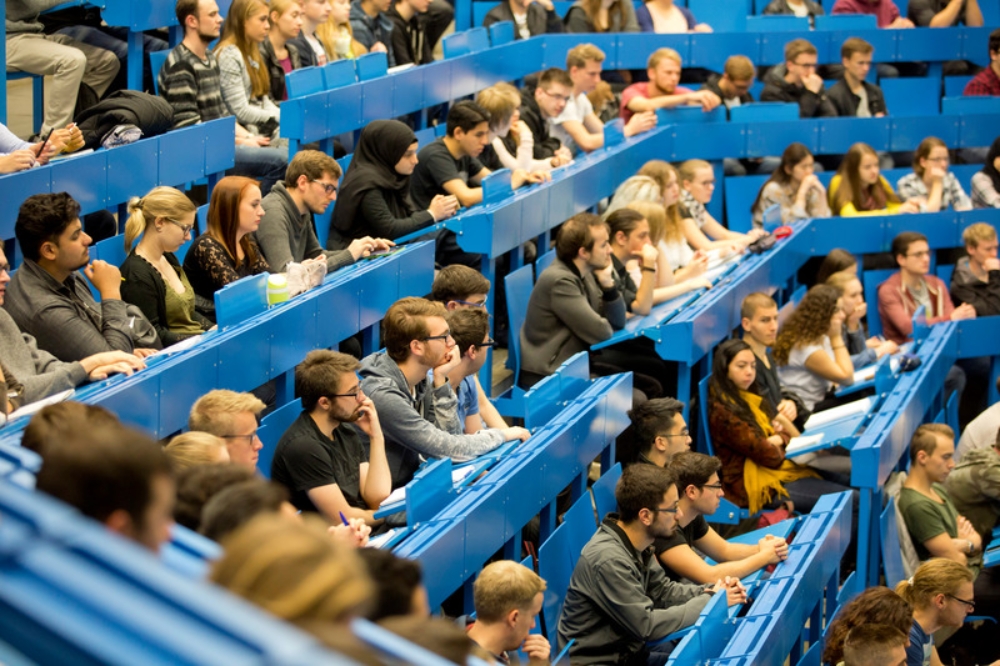
The necessary background is provided by a number of lectures, seminars and lab courses dealing with basic structures and design techniques as well as with advanced issues of design automation. Lectures about Computer Architecture and Computer Structures give an overview of the architectures of modern data processing systems and discuss the basic structures of fast digital systems. The design of self-testable systems is addressed within the lecture Self-testable Systems which is complemented by related seminars. Moreover, various seminars present algorithms and structures for the design of fault tolerant and reliable systems.
The practical background for the design of digital systems is provided by an undergraduate lab course for technical computer science, its goal is to introduce elementary electronic devices and to implement simple digital circuits as FPGAs.