


Das ITI stellt sich vor
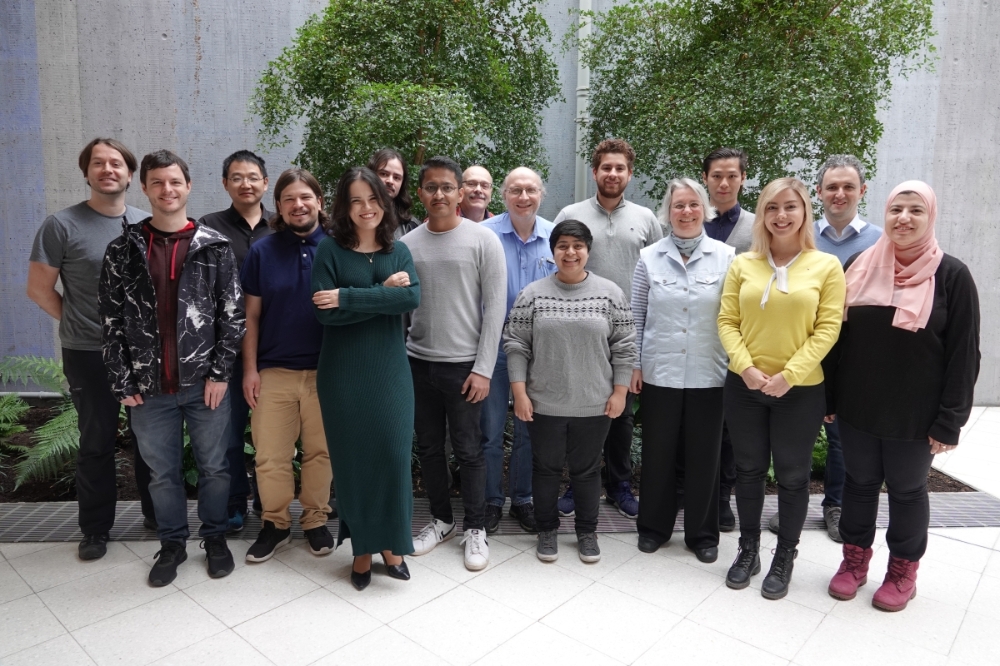
Die fünf Abteilungen des ITI decken das Gebiet der Technischen Informatik in seiner ganzen Breite ab. Die Kompetenzen des ITI liegen in den Bereichen sichere und zuverlässige Schaltungen und Systeme, Entwurfsmethodik und -automatisierung, neuartige Schaltungs- und Systemarchitekturen, Hardware/Software-Codesign. Das Institut ist offen für interdisziplinäre Kooperationen mit anderen Wissenschaftlern und Forschungsinstituten sowie für Industriekooperationen.
Hardwareorientierte Informatik (HOCOS),
Prof. Dr. rer. nat. habil. Ilia Polian
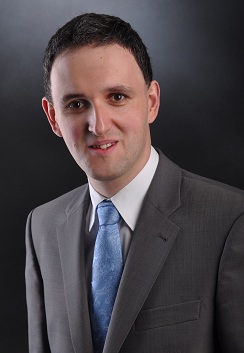 In der Abteilung Hardwareorientierte Informatik werden Schaltungs- und Systemarchitekturen entwickelt, die sowohl auf traditionellen als auch auf neuartigen Prinzipien basieren. Zu nennen sind neuromorphische, stochastische und approximative Architekturen. Unser zweites Betätigungsfeld ist die systematische Entwurfsmethodik und Entwurfsautomatisierung. Hier liegt unser besonderer Fokus auf Sicherheits- und Zuverlässigkeitseigenschaften der entwickelten Systeme. Die Abteilung vertritt die genannten Inhalte in Forschung und Lehre. Sie ist auf den Top-Konferenzen dieser Gebiete präsent und arbeitet mit internationalen Spitzenwissenschaftlern zusammen. In der Lehre werden Grundlagenvorlesungen im Bachelor-Studiengang Informatik, eine Reihe von weiterführenden Vorlesungen in den Master-Studiengängen, Seminare und Praktika angeboten. Wir freuen uns auf Kooperationen mit Partnern aus der Industrie, aus akademischen und sonstigen öffentlichen Einrichtungen; nehmen Sie bei Interesse Kontakt mit uns auf! Für Studierende der Universität Stuttgart bieten wir interessante Abschluss- und Projektarbeiten sowie Hilfskrafts-Tätigkeiten an.
Zum Lehrstuhl Hardwareorientierte Informatik: HOCOS
Computational Imaging Systems (CIS),
Prof. Dr.-Ing. Sven Simon
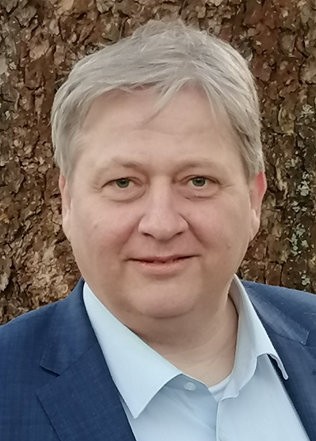 Die Abteilung Computational Imaging Systems befasst sich mit 3D-Imaging und Image Processing, mit der 3D-Computertomographie und der bildgebenden Sensorik. Die Algorithmen dieser Themenbereiche werden parallel in Software mittels OpenCL für GPUs und für Multi-Core-CPUs implementiert. Im Bereich der bildgebenden Sensorik werden Hardware-Architekturen mit der Modellierungssprache VHDL für FPGAs entwickelt und erforscht. Der Bereich der Algorithmen für Computational Imaging ist insbesondere in 3D außerordentlich datenintensiv und erfordert Data-Science-Methoden wie tiefe neuronale Netze (Deep Learning), neuartige Kompressionsverfahren sowie intelligente Methoden der Bildverarbeitung inklusive Hardware-Beschleunigung mittels GPUs oder FPGAs. Im Bereich der Computertomographie sind insbesondere die Algorithmen zur verbesserten 3D-Bildgebung und 3D-Bildverarbeitung sowie deren Einsatz in den Naturwissenschaften (z.B. Physik) und den Ingenieurwissenschaften (Maschinenbau, Bauingenieurwesen, Elektrotechnik) von Interesse. Ein Beispiel ist die berührungslose und zerstörungsfreie Extraktion elektromagnetischer Simulationsmodelle aus den 3D-Computertomographie-Daten unzugänglicher Strukturen der Aufbau- und Verbindungstechnik elektronischer Systeme (Beispiele: IC-Gehäuse, 3D-Integration). Bei Interesse stehen wir gerne für ein Gespräch zu den Möglichkeiten der 3D-Bildgebung zur Verfügung und setzen gerne unseren abteilungseigenen Computertomographen für Ihre Fragestellung in der Modellbildung ein (Email: info@cis.iti.uni-stuttgart.de).
Für Studierende bieten wir interessante Bachelor, Master- sowie Forschungs-Arbeiten inklusive Fachstudien, StuPros oder Hilfskraft-Tätigkeiten an (Email: stud@cis.iti.uni-stuttgart.de). Wenn Sie einfach mal ein Objekt Ihrer Wahl mit einem 3D-Volumendatenmodell analysieren oder eine vergrößerte Kopie mittels 3D-Druck erzeugen wollen, generieren wir gerne ein solches Modell mit unserem Computertomographen. Sprechen Sie uns dazu einfach an. Weiterhin unterstützen wir gerne Startups (z.B. Mentoring für Studierende und Absolventen in den Exist-Föderprogrammen) in unseren Themenbereichen wie das inzwischen sehr erfolgreiche, international agierende Unternehmen Synapticon.
Zum Lehrstuhl Computational Imaging Systems: CIS
Eingebettete Systeme (ES),
Prof. Dr.-Ing. Martin Radetzki
Die Abteilung Eingebettete Systeme befasst sich mit Architekturen und Entwurfsmethoden für Hardware-Software-Systeme in technischen Anwendungen. Es bestehen Forschungsschwerpunkte in der Modellbildung und Simulation solcher Systeme und der Optimierung der Systemstrukturen unter Abwägung von Kosten, Performanz, Energiebedarf und Robustheit.
Zum Lehrstuhl Eingebettete Systeme: ES
Test und Diagnose von Halbleitersystemen (STAR),Prof. Dr.-Ing. Hussam Amrouch
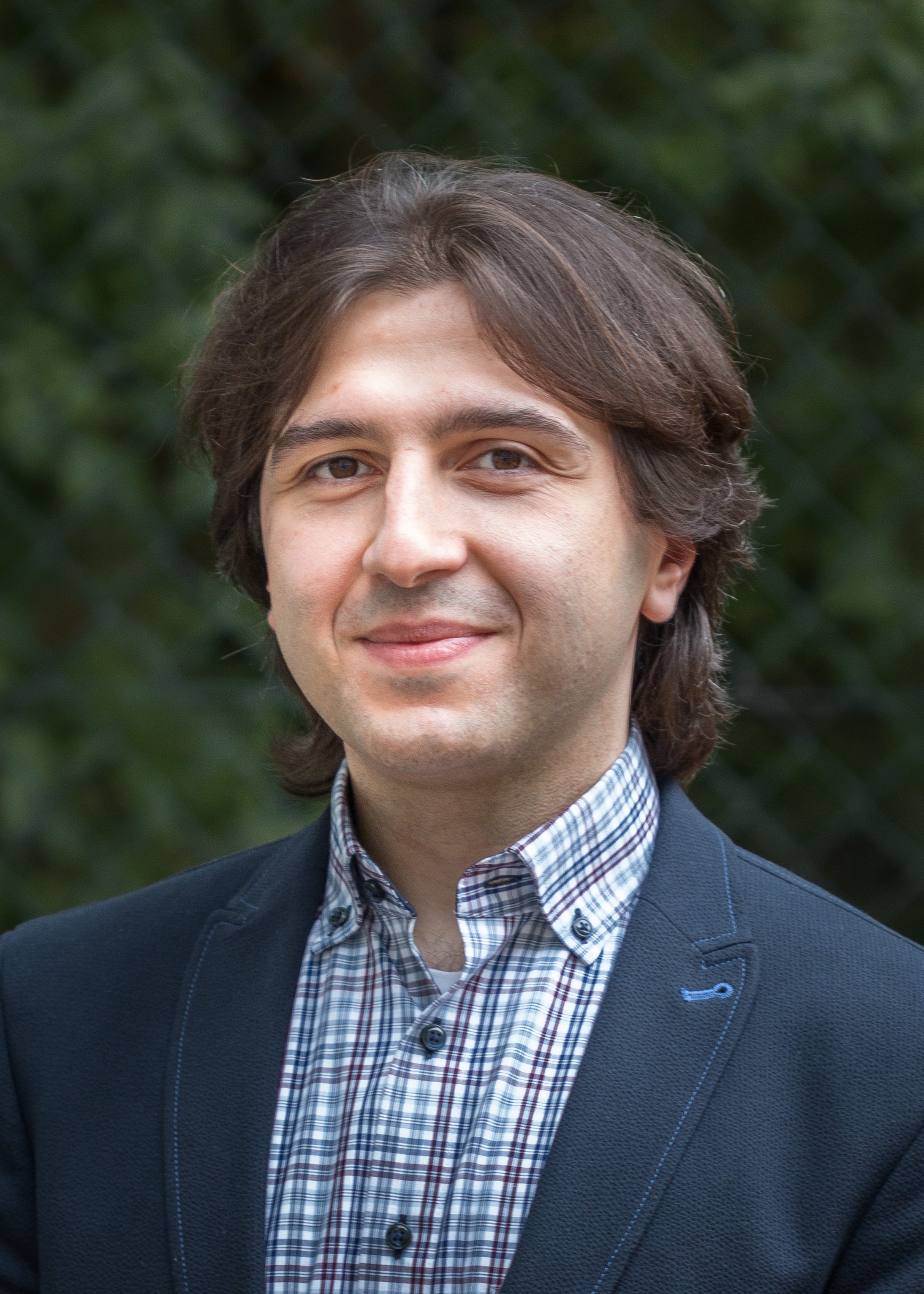 Die Abteilung Test und Diagnose von Halbleitersystemen befasst sich primär mit maschinellem Lernen für computergestützte Entwürfe (MLCAD). Der Fokus liegt dabei auf dem Entwurf von testbaren und zuverlässigen Schaltungen. Bei den Entwürfen decken wir aktuelle Nanotechnologien wie FinFET, aufkommenden Technologien wie Nanosheets, sowie Zukunftstechnologien wie Negative Capacitance und Ferroelectric Transistoren für ultra-low power Schaltkreise und Speicher ab. Weiterhin erforschen wir verschiedene neue Techniken zum die Zuverlässigkeit und Effizient von Beschleunigern von neuronalen Netzen, welche essenziell für alle KI Anwendungen sind, zu verbessern.
Wir arbeiten eng mit nationalen und internationalen Partnern aus Industrie und Akademie zusammen. Unsere Forschung verteilt sich über alle Abstraktionsebenen, angefangen bei Halbleiterphysik über analog/digitalen Schaltungsentwurf bis hin zu Management auf Systemebene. Das Ziel unserer Forschung ist die Neugestaltung zuküftiger System-On-Chip Entwurfsmethoden durch den Einsatz maschinellen Lernens.
Für Studierende der Elektrotechnik und Informatik bieten wir verschiedene intressante und spannende Bachelor sowie Masterarbeiten an. Weiterhin suchen wir jederzeit Tutoren und studentische Hilfskräfte. Wenn Sie das begeistert und Sie sehen möchten, wie die Zukunft der Computer aussieht und welche neuen Herausforderungen diese Zukunftstechnologien bieten, kontaktieren Sie uns.
Zum Lehrstuhl Test und Diagnose von Halbleitersystemen: STAR
Rechnerarchitektur (RA),
Prof. Dr. rer. nat. habil. Hans-Joachim Wunderlich
(im Ruhestand)
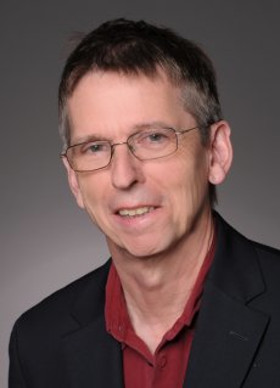 Die Forschungsgruppe Rechnerarchitektur hat ihren besonderen Schwerpunkt in Entwurfs- und Testmethoden sowie Hardwarestrukturen, mit denen hohe Anforderungen an Zuverlässigkeit, Sicherheit und Korrektheit digitaler Systeme erfüllt werden können. Innovative Ansätze wie approximative und heterogene Rechnerarchitekturen und Fehlertoleranz über alle Systemebenen hinweg werden in grundlagenorientierten Drittmittelprojekten bearbeitet. Ein großer Teil der Forschungsarbeiten erfolgt in enger Kooperation mit nationalen und internationalen Partnern aus Universitäten, Forschungseinrichtungen und der Industrie. Abschlussarbeiten in dieser Abteilung beziehen sich auf ihre aktuellen Forschungen zum Teil in Zusammenarbeit mit den Kooperationspartnern.
Zur Forschungsgruppe Rechnerarchitektur: RA
Aktuelles
Ihr Ansprechpartner
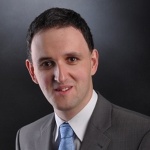
Ilia Polian
Prof. Dr. rer. nat. habil.Institutsleiter und Lehrstuhlinhaber Hardwareorientierte Informatik